Have you ever reached the end of the month and wondered where all your money went? You’re not alone. Many families struggle to balance household expenses while also trying to save for the future. The good news is that living on a budget doesn’t mean giving up the things you love. In fact, a few small changes in your daily routine can make a big difference over time.
Whether you’re managing a single income or simply want to cut unnecessary expenses, these budget-friendly lifestyle tips for families will help you save money while enjoying a comfortable and happy life.

1. Start With a Simple Monthly Budget
A budget is not about restricting yourself—it’s about understanding where your money goes. Write down your monthly income and list all essential expenses such as rent, groceries, electricity, school fees, transportation, and savings.
Once everything is written down, you’ll quickly notice where you’re spending more than necessary. Even cutting a few unnecessary expenses each month can help you save a surprising amount over a year.
Pro Tip:
Use a notebook, Excel sheet, or a free budgeting app to track your monthly expenses.
2. Plan Your Weekly Meals

One of the easiest ways to reduce household expenses is by planning meals in advance. When you know what you’re going to cook, you buy only what you actually need.
Meal planning helps you:
. Avoid food waste.
. Reduce grocery bills.
. Save cooking time.
. Eat healthier meals at home.
Instead of ordering food after a busy day, prepare simple meals in advance. This habit not only saves money but also keeps your family healthier.
3. Make a Shopping List and Stick to It
We’ve all gone to the supermarket for just a few things and returned with a cart full of items we didn’t plan to buy.
Before shopping:
. Check your kitchen shelves.
. Prepare a list.
. Compare prices.
. Avoid shopping when you’re hungry.
Following a shopping list is one of the easiest money-saving tips for families because it reduces impulse buying.
4. Buy Only What You Really Need
Discounts can be tempting, but buying something just because it’s on sale isn’t always a smart decision.
Before making any purchase, ask yourself:
. Do I really need this?
. Will my family use it regularly?
. Can I buy it later if required?
Making thoughtful buying decisions is one of the smartest budget-friendly lifestyle habits any family can adopt.
5. Cook More Meals at Home

Restaurant meals and food delivery can quickly increase your monthly expenses. Cooking at home is healthier, more affordable, and often more enjoyable.
Try creating a weekly family dinner night where everyone helps prepare the meal. It saves money while creating wonderful family memories.
Home-cooked meals also allow you to control ingredients and reduce unhealthy eating habits.
6. Reduce Electricity and Water Bills
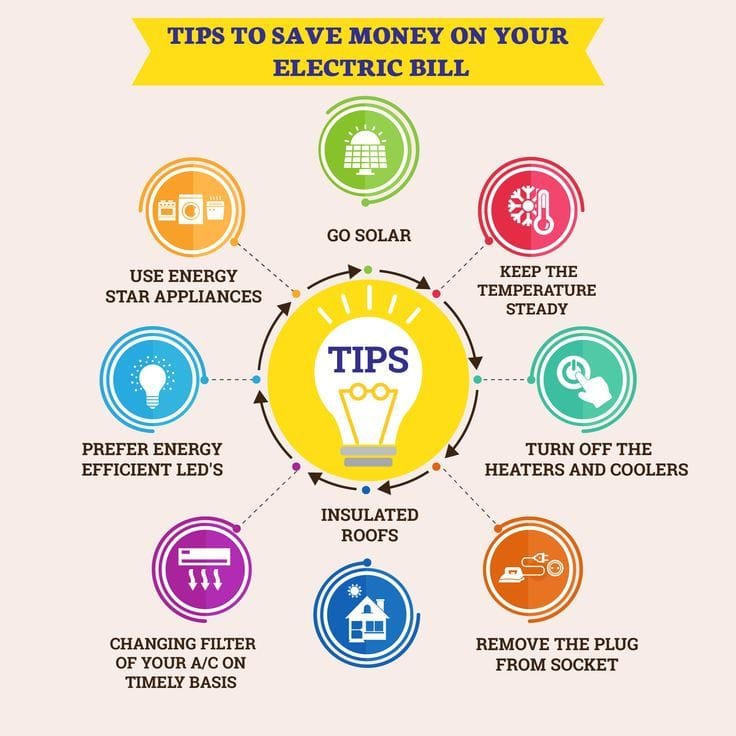
Utility bills may seem fixed, but small daily habits can lower them significantly.
Simple ways to save include:
. Switching off lights when leaving a room.
. Using LED bulbs.
. Unplugging chargers when not in use.
. Washing full loads of clothes.
. Fixing leaking taps immediately.
. Making better use of natural daylight.
These simple habits can help lower your monthly bills without affecting your comfort.
7. Buy in Bulk For Daily Essentials
If your family regularly uses items like rice, flour, pulses, cooking oil, soap, or detergents, buying them in bulk can help you save money over time. Many wholesale stores and online platforms offer better prices on larger quantities.
However, avoid buying products in bulk just because they are on sale. Purchase only those items that your family uses regularly. This simple habit can lower your monthly grocery bill without affecting your lifestyle.
8. Reuse, Repair, and Recycle
One of the easiest ways to live a budget-friendly lifestyle is to make the most of what you already have. Instead of replacing everything immediately, see if it can be repaired or reused.
For example:
. Turn old glass jars into kitchen storage containers.
. Donate or exchange clothes that no longer fit.
. Repair furniture instead of buying new pieces.
. Reuse shopping bags whenever possible.
Not only does this save money, but it also reduces waste and supports a more sustainable lifestyle.
9.Find Low-Cost Way to Have Fun
Spending quality time together doesn’t have to be expensive. Children often remember moments spent with family more than costly gifts.
Here are a few affordable family activities:
. Have a movie night at home.
. Visit a nearby park for a picnic.
. Play board games together.
. Cook a special meal as a family.
. Start a small balcony or kitchen garden.
. Enjoy an evening walk together.
These activities create lasting memories while helping you stay within your budget.
10. Teach Kids the Value Of Money

Product Link:-https://link.amazon/B0dSaCT7S
Teaching children about money from a young age helps them become financially responsible adults.
Simple ideas include:
. Giving them a small weekly allowance.
. Encouraging them to save in a piggy bank.
. Explaining the difference between needs and wants.
. Setting savings goals for toys or books.
These lessons build good financial habits that can last a lifetime.
11. Avoid Impulse Purchases

We’ve all experienced buying something we didn’t really need because it looked attractive or was available at a discount.
Before purchasing anything that’s not essential, wait for 24 hours. Ask yourself:
. Will I still want this tomorrow?
. Does my family truly need it?
. Is there a cheaper alternative?
This simple habit prevents unnecessary spending and keeps your finances under control.
12. Build an Emergency Savings Fund

Product Link:-https://link.amazon/A0gIIia0S
Life is unpredictable. Medical emergencies, vehicle repairs, or unexpected household expenses can happen at any time.
Even if you can save only a small amount every month, do it consistently. Over time, your emergency fund will give you peace of mind and reduce financial stress.
Remember, financial security isn’t built overnight. It’s created through small, consistent steps.
Small Habits That Make a Big Difference
Sometimes, it’s the little things that help families save the most money.
Try these everyday habits:
. Carry a reusable water bottle instead of buying bottled water.
. Pack lunch for work or school whenever possible.
. Switch off fans and lights when leaving a room.
. Compare prices before making online purchases.
. Cancel subscriptions you no longer use.
. Make use of cashback offers and reward points wisely.
These small changes may seem insignificant at first, but together they can save thousands over the course of a year.
COnclusion
Living on a budget doesn’t mean saying “no” to everything you enjoy. It simply means making smarter choices with the money you already have. Every family has different financial goals, but small habits like planning meals, avoiding unnecessary shopping, reducing utility bills, and saving regularly can make a huge difference over time.
Remember, you don’t need to change your entire lifestyle overnight. Start with one or two tips that fit your family’s routine. As these habits become part of your daily life, you’ll notice lower monthly expenses, less financial stress, and more confidence in managing your money.
The goal isn’t just to spend less—it’s to spend wisely. A well-planned budget gives your family the freedom to prepare for emergencies, achieve future goals, and enjoy life’s special moments without constantly worrying about money.
With these budget-friendly lifestyle tips for families, you can build a happier, healthier, and more financially secure future—one smart decision at a time.