Introduction
For most of us, the refrigerator feels like the safest place to store almost everything. As soon as we come home from grocery shopping, we put fruits, vegetables, bread, sauces, and other food items in the fridge without thinking twice.
But did you know that refrigeration is not always the best option?
Some foods can actually lose their natural flavor, texture, freshness, or quality when kept in the refrigerator. In some cases, the cold temperature can even change the way food ripens.
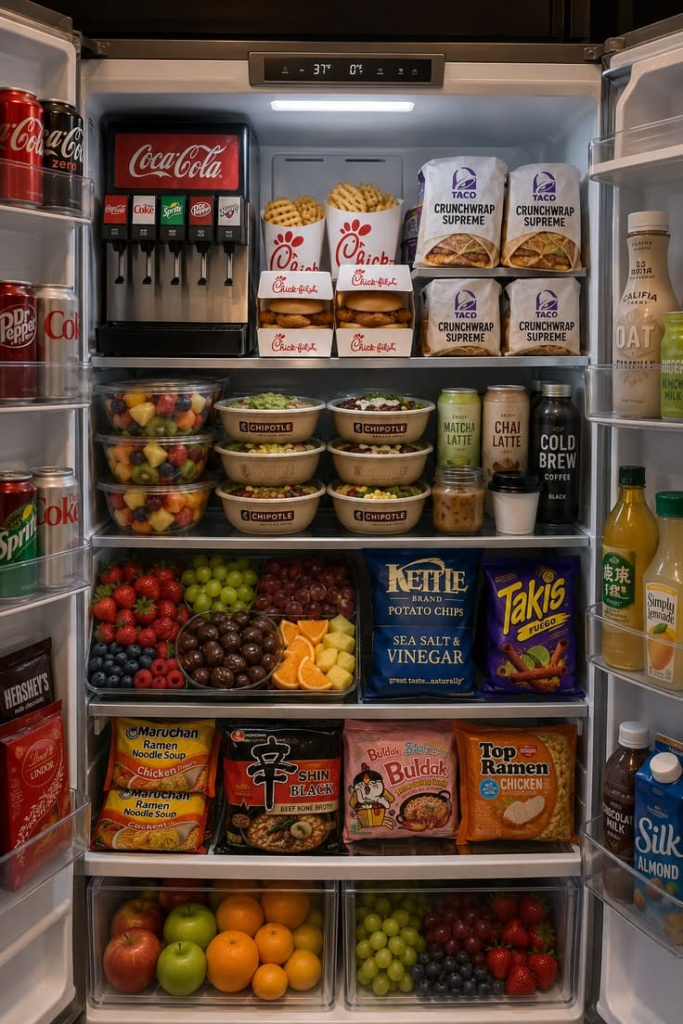
Knowing how to store food properly can help you reduce food waste, save money, and keep your kitchen more organized.
So, before putting everything in the fridge, take a look at these 10 things you should never store in the refrigerator.
Product Link:-https://link.amazon/B08kAZ7yO
1. Potatoes
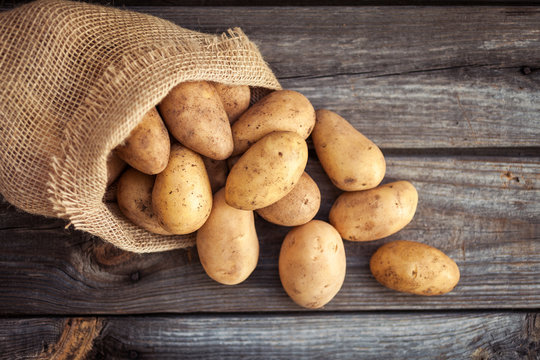
otatoes are one of the most common foods people store incorrectly. Keeping potatoes in the refrigerator can cause their starch to turn into sugar because of the cold temperature.
As a result, potatoes may develop a slightly sweet taste and can change texture when cooked.
Best way to store potatoes:
. Keep them in a cool, dry place.
. Use a paper bag, basket, or breathable container.
. Keep them away from direct sunlight.
. Avoid storing them in sealed plastic bags.
A dark and well-ventilated kitchen cabinet is usually a much better place for potatoes than your refrigerator.
2. Tomatoes
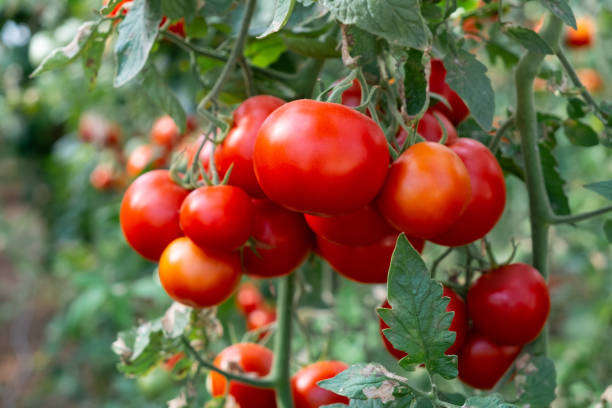
If you have ever noticed that refrigerated tomatoes taste less flavorful, there is a reason for it. Cold temperatures can affect their texture and reduce some of the fresh, juicy flavor we expect from ripe tomatoes.
Instead of putting whole tomatoes in the fridge, keep them on your kitchen counter.
Best way to store tomatoes:
Place them at room temperature and keep them away from direct sunlight. If they are already cut, however, refrigeration is appropriate.
3. Onions
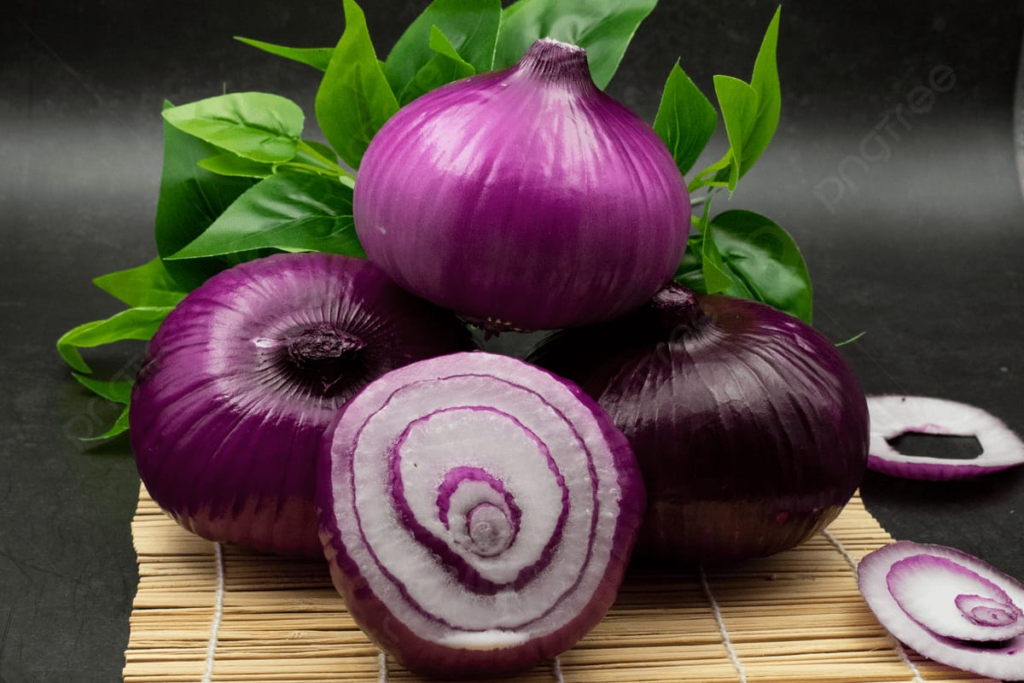
Whole onions don’t usually need refrigeration. The moisture inside a refrigerator can make onions soft and may encourage mold growth.
There is another problem too: onions have a strong smell, and that smell can spread to other foods in your fridge.
Best way to store onions:
Keep whole onions in a cool, dry, and well-ventilated area. A mesh basket or open container works well because it allows air to circulate.
Also, try not to store onions and potatoes right next to each other because both can spoil faster under certain storage conditions.
4. Garlic
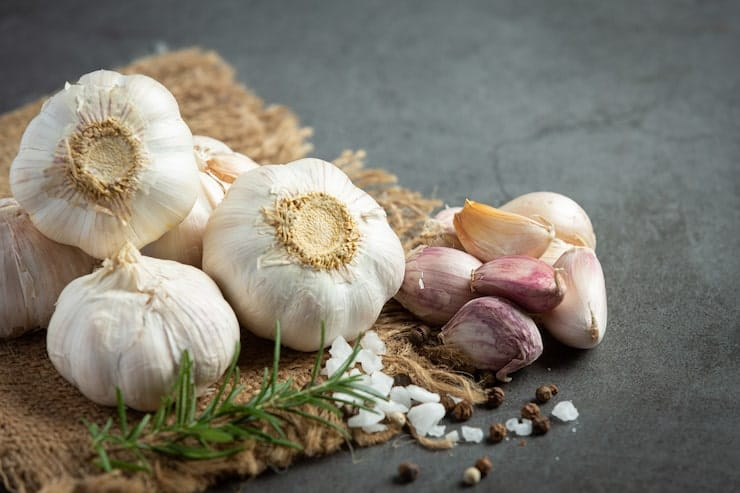
Garlic may seem like something that should stay in the refrigerator, but whole garlic bulbs are generally better stored outside it.
The cold and moisture inside the fridge can encourage sprouting and affect the texture of garlic.
Best way to store garlic:
Keep whole garlic bulbs in a cool, dry place with good air circulation. A breathable container or garlic keeper is a better option than an airtight plastic container.
Once garlic is peeled or chopped, refrigeration becomes more appropriate.
5. Bread
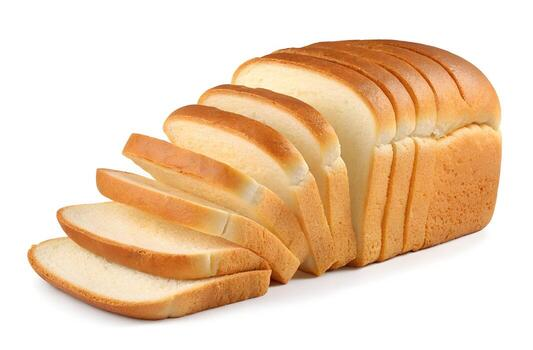
Putting bread in the refrigerator might seem like a good way to make it last longer, but it can actually make bread become stale faster.
The cold environment can cause the starch in bread to change, making it lose its soft texture.
Best way to store bread:
If you plan to finish the bread within a few days, keep it in a sealed bread bag or container at room temperature.
If you have bought more bread than you can eat quickly, freezing it is generally a better option than refrigerating it.
6. Honey
Product Link:-https://link.amazon/B07OsZyJz
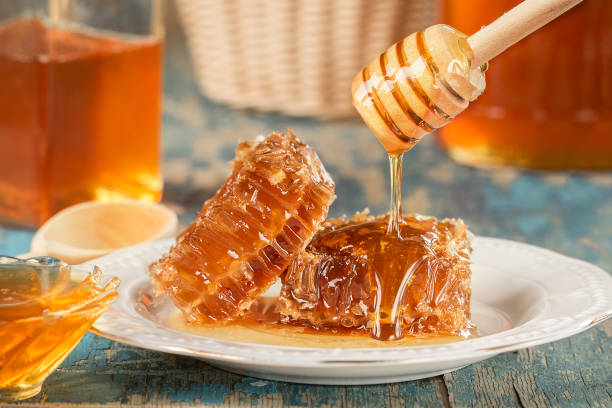
Honey is naturally resistant to spoilage, so there is usually no reason to keep it in the refrigerator.
The cold temperature can cause honey to crystallize and become thick or difficult to pour. Although crystallized honey isn’t necessarily spoiled, it can be inconvenient to use.
Best way to store honey:
Keep it tightly sealed at room temperature and away from direct sunlight or excessive heat.
If your honey has crystallized, gently warming the container can help return it to a smoother consistency.
7. Coffee
Product Link:-https://link.amazon/B02GJNey6
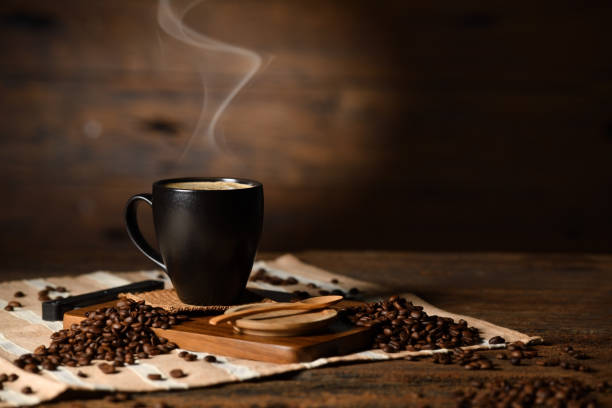
Coffee lovers should pay attention to this one. Storing coffee in the refrigerator can expose it to moisture and the different smells inside the fridge.
Coffee can easily absorb surrounding odors, which may affect its aroma and flavor.
Best way to store coffee:
Keep coffee beans or ground coffee in an airtight container in a cool, dry, and dark cabinet.
For the best flavor, buy coffee in reasonable quantities and keep the container tightly closed after every use.
8. Bananas
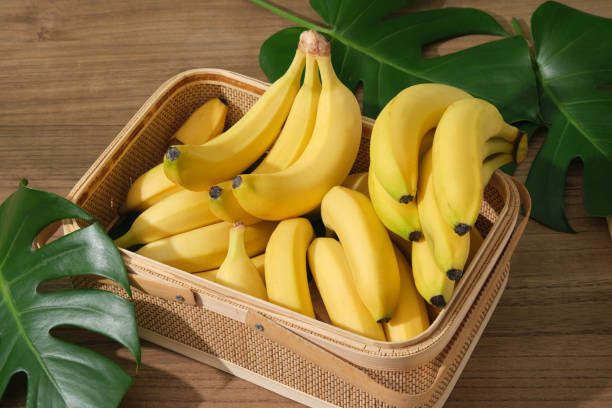
Bananas don’t need to go into the refrigerator while they are still unripe. The cold temperature can interfere with their normal ripening process, while the peel may turn dark.
This doesn’t necessarily mean the banana inside is spoiled, but the appearance and texture can change.
Best way to store bananas:
Keep them at room temperature until they reach your preferred level of ripeness. Once ripe, refrigeration can help slow further ripening for a short period, although the peel may become darker.
9. Whole Melons
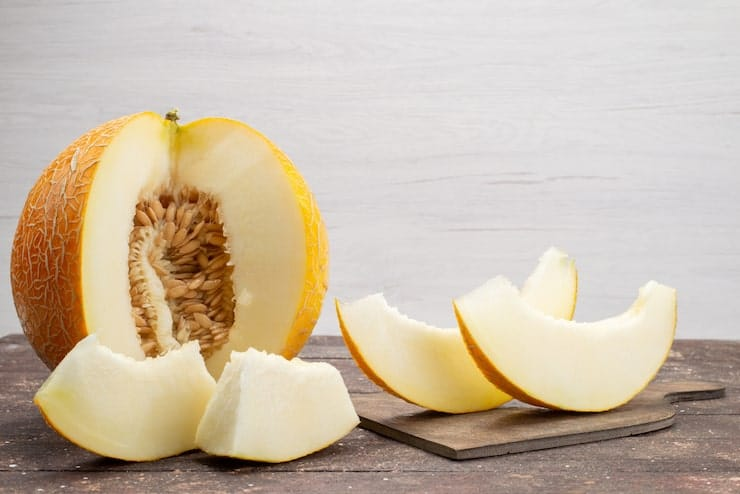
Whole watermelons and other melons don’t necessarily need to occupy valuable refrigerator space before they are cut.
Keeping whole melons at room temperature can help preserve their quality until they are ready to eat. However, once a melon has been cut, it should be refrigerated.
Best way to store melons:
Keep whole melons in a clean, dry place at room temperature. After cutting, place the pieces in an airtight container and refrigerate them promptly.
This is especially useful during summer when cut fruit can spoil more quickly.
10. Unripe Avocados
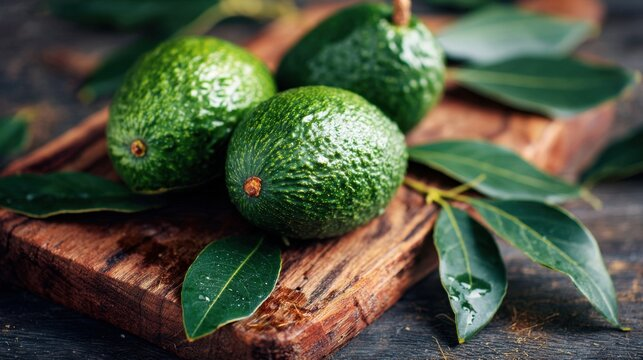
Buying a hard avocado and immediately putting it in the refrigerator can slow down the ripening process.
If you want your avocado to become soft and ready to eat, room temperature is usually the better choice.
Best way to store avocados:
Keep unripe avocados on the counter until they become slightly soft when gently pressed.
Once an avocado is ripe, you can move it to the refrigerator to slow down further ripening for a few days.
Common Refrigerator Storage Mistakes
Knowing what not to refrigerate is only one part of proper food storage. Many people also make simple mistakes that can affect food quality.
Here are a few habits worth changing:
. Don’t overcrowd your refrigerator.
. Keep raw meat separate from ready-to-eat foods.
.Store leftovers in clean, covered containers.
. Check expiration dates regularly.
. Clean your refrigerator regularly.
. Don’t leave perishable food at room temperature for too long.
. Keep cut fruits and vegetables refrigerated when appropriate.
.Follow the storage instructions given on packaged foods.
A little organization can make a surprisingly big difference.
Why Proper Food Storage Matters
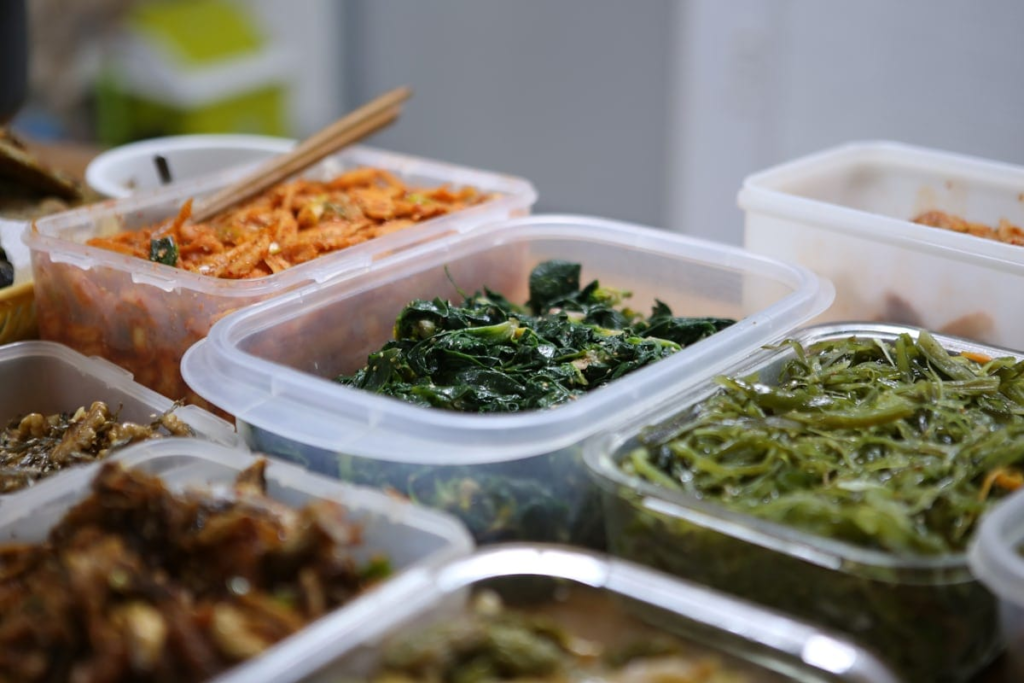
Proper food storage isn’t only about keeping your refrigerator neat. It can also help reduce unnecessary food waste.
When food is stored at the wrong temperature, it may lose its flavor or texture sooner than expected. This often leads people to throw away perfectly usable food.
By understanding which foods belong in the refrigerator and which are better kept at room temperature, you can make your groceries last longer and avoid unnecessary waste.
It can also save money because you won’t have to replace food that spoiled simply because it was stored incorrectly.
Conclusion
The refrigerator is one of the most useful appliances in any kitchen, but it isn’t the perfect storage place for everything.
Potatoes, whole tomatoes, onions, garlic, bread, honey, coffee, bananas, whole melons, and unripe avocados are examples of foods that are often better stored outside the refrigerator under the right conditions.
The key is to understand what each food needs. Some foods prefer a cool and dry environment, while others need refrigeration once they are cut, ripe, or opened.
So, the next time you come home with a bag full of groceries, don’t automatically put everything in the fridge. Take a moment to check the best storage method for each item.
These small refrigerator storage tips can help you maintain better food quality, reduce waste, save money, and keep your kitchen running more efficiently.
Comtract Us:-contact us